Training at home without equipment works when the plan respects how the body moves and adapts. Strength, endurance, balance, and control all improve through bodyweight exercises that use gravity and leverage. This article explains how to build real home fitness with no machines, no weights, and no shortcuts.
Home workout no equipment programs suit beginners and experienced athletes alike. They remove barriers like travel time and gym fees. Results come from effort, structure, and consistency rather than tools.
Why bodyweight training builds real strength
Bodyweight exercises train muscles through natural movement patterns. Squats, pushes, pulls, and core control appear in daily life and sport. Training these patterns improves joint health and coordination.
Strength grows through tension and repetition. Bodyweight training creates both. Push-ups load the chest, shoulders, and arms. Squats load hips and legs. Planks train the trunk as a unit rather than in isolation.
Can bodyweight exercises replace weights?
Yes. Progress comes from tempo, range of motion, volume, and single-limb work. A slow squat on one leg challenges strength more than a fast squat with two.
Core principles of home fitness without equipment
A home workout no equipment plan follows clear rules.
First, train the whole body. Upper body, lower body, and core need regular work.
Second, use full range of motion. Partial reps limit progress and joint control.
Third, manage rest. Short rest periods raise heart rate and improve conditioning.
Fourth, track volume. Count sets and reps so progress stays visible.
Home fitness improves through simple structure rather than complexity.
Foundational lower body exercises
Bodyweight squat
The squat builds legs, hips, and trunk stability. Stand with feet shoulder width apart. Sit back and down until thighs reach parallel. Drive through the mid-foot to stand.
Slow tempo increases time under tension. Pausing at the bottom builds control.
Reverse lunge
Step back into a lunge and lower the rear knee near the floor. Push through the front foot to return. This version reduces knee strain and improves balance.
Alternate legs for even loading.
Glute bridge
Lie on the back with knees bent and feet flat. Drive hips upward and squeeze glutes at the top. This strengthens posterior chain muscles that protect the lower back.
Single-leg bridges raise difficulty without extra load.
Upper body pushing exercises
Push-up
The push-up trains chest, shoulders, arms, and core together. Keep the body straight from head to heel. Lower the chest close to the floor, then press upward.
Hands on an elevated surface reduce difficulty. Feet elevated increase difficulty.
Pike push-up
From a push-up position, raise hips to form an inverted V. Bend arms to lower the head toward the floor, then press up. This targets shoulders and upper back.
Control matters more than speed.
Upper body pulling without equipment
Pulling movements matter for shoulder health and posture. Many home programs skip them.
Table row
Lie under a sturdy table or bar. Grip the edge and pull the chest toward the hands. Keep the body straight. This builds upper back and arm strength.
Doorframe rows work when furniture allows safe grip.
Can pulling strength improve without machines?
Yes. Angle changes, pauses, and slow reps increase challenge. Consistent pulling balances push-heavy routines.
Core training for control and power

The core links upper and lower body. Strong abs alone do not create stability.
Plank
Hold a straight line from head to heel. Brace the trunk and breathe under tension. Time under control matters more than long holds.
Side planks add lateral stability.
Dead bug
Lie on the back with arms and legs raised. Extend opposite arm and leg while keeping the lower back flat. This trains coordination and spinal control.
Slow movement improves awareness.
Mountain climber
From a plank position, drive knees toward the chest in a controlled rhythm. This adds conditioning and core demand.
Conditioning through bodyweight circuits
Home fitness improves fast through circuits. Combine strength and cardio in short blocks.
Example circuit:
- Squats for 20 reps
- Push-ups for 15 reps
- Reverse lunges for 10 reps each leg
- Plank hold for 30 seconds
Rest one minute, then repeat four rounds.
Heart rate rises, muscles fatigue, and time stays efficient.
Does conditioning need running or machines?
No. Multi-joint bodyweight exercises raise heart rate through muscular demand alone.
Mobility and joint care at home
Training without equipment still requires joint preparation.
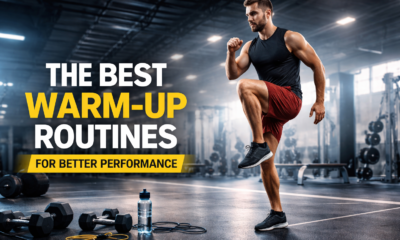
Dynamic warm-ups raise tissue temperature and range. Arm circles, hip openers, and light squats work well.
Cooldown stretching supports recovery. Focus on hips, calves, chest, and shoulders.
Five minutes before and after training reduces stiffness and supports consistency.
Weekly structure for home workouts
Structure keeps progress steady.
Sample weekly split:
- Day 1: Full body strength
- Day 2: Conditioning circuit
- Day 3: Rest or mobility
- Day 4: Lower body focus
- Day 5: Upper body and core
- Day 6: Conditioning or sport play
- Day 7: Rest
Three to five sessions per week suit most schedules.
Progression without equipment
Progress drives results.
Increase reps once form stays solid. Add pauses at hard positions. Slow tempo extends effort. Shift to single-leg or single-arm versions.
Track sessions in a notebook or app. Visible progress builds motivation.
Home workout no equipment plans succeed through patience and consistency rather than novelty.
Common mistakes in home fitness
Skipping warm-ups leads to tight joints. Rushing reps reduces control. Training the same moves daily stalls progress.
Balance push and pull work. Respect rest days. Focus on quality movement.
Simple programs followed well beat complex plans followed poorly.
Final thoughts on bodyweight training at home
Bodyweight exercises support strength, endurance, and mobility through simple means. Home fitness removes excuses and builds discipline. Results depend on effort and structure rather than location.
Training without equipment builds awareness of movement and control. These skills transfer to sport, work, and daily life.
The floor, gravity, and your body provide enough resistance to build strength for years.