How to Prevent Common Sports Injuries
Every season, athletes lose weeks to injuries that follow the same script. An ankle rolls on a routine cut. A hamstring tightens late in a sprint. A shoulder aches after months of overhead work. These are common sports injuries, and most do not arrive without warning.
Sports injury prevention is not guesswork. It rests on preparation, load control, and recovery. Injury-free training grows from habits that athletes repeat every week.
Know the Injuries Most Athletes Face
Ankle sprains remain the most frequent injury in court and field sports. A player lands on another foot or plants hard to change direction. Ligaments stretch beyond their limit. Mild sprains settle in two weeks. Severe sprains can cost two months and raise the risk of repeat injury.
Muscle strains follow close behind. Hamstrings suffer during high speed running. Groin strains appear in sports that demand sharp cuts. These injuries often trace back to fatigue or poor strength balance.
Knee pain affects teenagers and adults alike. Patellar tendon irritation builds from repeated jumping. Ligament tears occur less often but carry long recovery periods.
Shoulder injuries dominate in swimmers, tennis players, and pitchers. Repeated overhead motion irritates tendons and compresses joint structures.
Most of these injuries develop over time. Tissue capacity fails to match training demand. Close that gap, and you lower risk.
Build Strength That Shields the Body
Strength training protects joints by spreading force across muscle groups. Weak hips shift stress to the knee. Weak calves strain the Achilles tendon. Poor trunk control increases load on the spine.
Train the lower body twice each week. Use squats, lunges, and hip hinges as staples. Perform three to four sets of eight to twelve repetitions with control. Add single leg work such as split squats and step downs. These drills sharpen balance and cut ankle sprain risk.
Upper body strength matters in contact and overhead sports. Rows, presses, and pull ups stabilize the shoulder and improve force transfer.
Core training supports every movement. Planks, carries, and anti rotation drills build trunk stiffness. A stable core reduces energy leaks during sprints and jumps.
Consistency drives sports injury prevention. A steady plan over three months beats a short burst of effort.
Warm Up With Intent
A proper warm up prepares muscle and nerve pathways for speed. It raises heart rate and activates key stabilizers.
Start with five minutes of light running or cycling. Follow with dynamic mobility drills. Use leg swings, walking lunges, and arm circles. Finish with three to five short accelerations at moderate speed.
Static stretching before competition can blunt power. Save long holds for post training sessions.
Teams that commit to structured warm ups report fewer lower limb injuries across a season. The time cost is small. The return is large.
Control Training Load Week by Week
Sudden spikes in workload cause many common sports injuries. A runner who doubles weekly mileage invites shin pain. A baseball pitcher who increases throw count too fast risks elbow strain.
Increase total volume by no more than ten percent each week. Track distance, minutes, and intensity in a simple log. Patterns appear quickly when numbers sit on paper.
Schedule at least one full rest day each week. Young athletes often need two. Pain that lingers beyond forty eight hours signals overload. Cut volume early rather than late.
Injury-free training rests on steady progress, not dramatic leaps.
Sharpen Movement Quality
Poor mechanics waste force and strain tissue. Knees that collapse inward during landing raise ligament stress. Overstriding in running loads the shin and knee.
Assess basic patterns each month. Check squat depth and knee alignment. Test single leg balance for thirty seconds. Film short sprints and jump landings.
Correct faults with targeted drills. Mini band walks strengthen hip abductors. Short stride drills increase running cadence. Rehearse soft landings with knees aligned over toes.
Better movement reduces risk and improves performance at the same time.
Support the Body With Fuel and Rest
Muscle and tendon repair demand protein and energy. Athletes require 1.2 to 2.0 grams of protein per kilogram of body weight each day. A seventy kilogram player needs up to one hundred forty grams daily.
Hydration affects joint function and muscle contraction. A two percent drop in body weight from sweat reduces speed and concentration. Drink before, during, and after sessions.
Eat within sixty minutes after training. Combine carbohydrates and protein to restore glycogen and repair tissue.
Sleep drives recovery. Aim for eight hours per night. Deep sleep phases release growth hormone, which supports tissue repair.
Use Equipment Wisely
Footwear influences load on the lower limb. Replace running shoes every three hundred to five hundred miles. Worn soles lose shock absorption and alter mechanics.
Athletes with prior ankle sprains benefit from braces during competition. Mouthguards reduce dental trauma in contact sports.
Equipment supports sports injury prevention, but it cannot replace strength or smart programming.
Act Early at the First Sign of Trouble
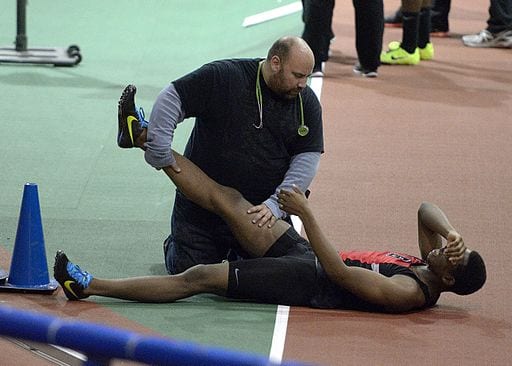
Sharp pain during activity demands attention. Swelling, joint instability, and reduced range of motion signal tissue damage.
Do not train through joint pain. Early care shortens recovery time and limits long term issues.
Ice can control swelling in the first day after acute injury. Compression and elevation limit fluid buildup. Seek medical evaluation if pain persists beyond a week or worsens with activity.
Quick action protects seasons and careers.
Plan the Year, Not Just the Week
Year round competition raises overuse injury rates, especially in youth sports. Schedule one to two months away from a single sport each year. Cross training maintains fitness and reduces repetitive stress.
Alternate hard and moderate sessions during the week. Limit high intensity days to three for most athletes.
Monitor mood, appetite, and sleep. Irritability and poor rest often precede injury.
Can structured prevention programs lower injury rates? Yes. Research in team sports shows up to fifty percent reduction in lower limb injuries when athletes follow strength and neuromuscular training plans.
Common sports injuries will never disappear. Speed and contact carry risk. Preparation narrows that risk.
Strong muscles, controlled workloads, clean movement, proper fuel, and disciplined rest form the backbone of sports injury prevention. Apply these principles every week. Protect the body. Train hard. Compete with confidence.