Why Sleep for Athletes Deserves Serious Attention
Elite athletes chase marginal gains. They track protein intake. They log sprint splits. They review film for hours. Yet many ignore one of the strongest performance tools available: sleep for athletes. Sleep drives recovery, reaction time, mood, and muscle repair. It shapes how hard you can train today and how fast you bounce back tomorrow.
Most adult athletes need seven to nine hours per night. Teen athletes need eight to ten. Many fall short. Early practice times and late competitions cut into rest. Screen time stretches into the night. Stress raises alertness at the wrong hour. The result is chronic sleep debt.
The hidden cost shows up in small declines. Sprint times drift by fractions of a second. Shot accuracy drops by a few points. Decision speed slows just enough to lose a duel. Over weeks, these small losses stack up. Performance slips, and recovery lags.
Teams that treat sleep as a core training pillar see gains without adding volume. They reduce fatigue without extra rest days. They build sharper athletes with the same physical load. That is why improve performance sleep strategies now sit beside strength work and nutrition plans in serious programs.
The Hidden Cost of Sleep Debt in Sport
Sleep debt builds quietly. One short night feels manageable. Two short nights feel annoying. A week of short nights shifts the entire system. Cortisol rises. Testosterone drops. Glycogen storage weakens. The body enters a strained state.
Athletes often claim they adapt to five or six hours. Objective data shows slower reaction time and lower power output after restricted sleep. Fine motor control suffers. That means less precision in passing, shooting, and striking. Strength training sessions feel heavier. Perceived effort climbs even at moderate intensity.
Mental fatigue adds another layer. Mood dips. Irritability rises. Communication breaks down in team settings. Tactical discipline fades late in games. These effects are not dramatic in one moment. They erode consistency over time.
Short sleep reduces immune function. Illness risk climbs during heavy training blocks. Missed sessions follow. Consistency breaks. Performance goals drift further away. Sleep debt acts like a tax on every system in the body.
Athletes who treat sleep as optional leave gains on the table. Those who protect it treat it like a contract. Seven to nine hours becomes non-negotiable. That shift alone can change a season.
What Happens in the Body During Deep Sleep
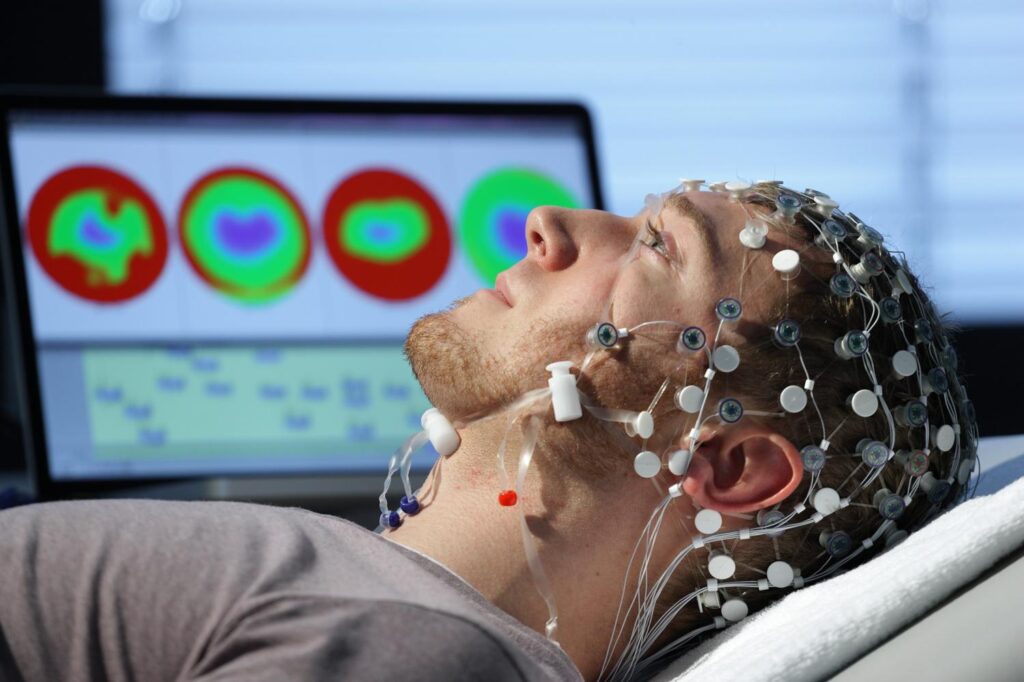
Deep sleep drives physical repair. During slow-wave sleep, the body releases large pulses of growth hormone. This hormone supports muscle protein synthesis. It repairs microtears from lifting and sprinting. It strengthens connective tissue.
Blood flow shifts toward muscle. Energy stores refill. Glycogen levels rise. Cells clear metabolic waste built during hard sessions. Inflammation drops to a healthy baseline. The body moves from stress mode to repair mode.
The brain joins this reset. Neural pathways consolidate. Motor skills refine. A movement practiced in the afternoon becomes smoother the next day. Sleep acts as silent repetition. It reinforces timing and coordination without extra physical strain.
The nervous system finds balance. Heart rate slows. Parasympathetic activity rises. This shift prepares the body for the next bout of effort. Athletes wake with restored capacity rather than lingering fatigue.
Cutting sleep short trims this recovery window. Less deep sleep means fewer growth hormone pulses. Less neural consolidation means slower skill gains. Training volume stays the same, yet adaptation drops. That gap explains why two athletes with equal talent progress at different rates.
Growth Hormone and Muscle Repair
Growth hormone release peaks during early night deep sleep. That surge supports tissue repair and muscle growth. Athletes chasing hypertrophy depend on this cycle. Poor sleep blunts that release. Gains stall.
Muscle damage from resistance training needs time and hormonal support. Sleep supplies both. Without it, soreness lingers. Power output falls in later sessions. Training quality drops.
Testosterone follows a similar pattern. Levels rise during sleep and dip with restriction. Lower testosterone links to reduced strength and slower recovery. The effect compounds across weeks.
Protein intake cannot compensate for chronic short sleep. Supplements cannot replace deep sleep cycles. Recovery tools help, yet they cannot mimic hormonal rhythms of a full night.
Serious lifters and sprinters now treat sleep blocks as part of programming. Heavy sessions align with strong recovery nights. Late social events give way to dark rooms and cool temperatures. This discipline protects muscle repair and long-term progress.
Nervous System Reset and Reaction Speed
Sport demands rapid decisions. A striker reads a defender’s hip angle. A quarterback scans coverage. A tennis player reacts to a serve traveling over 100 miles per hour. Reaction speed hinges on neural sharpness.
Sleep restores that sharpness. During rapid eye movement sleep, the brain processes emotional and tactical information. It filters noise and strengthens relevant patterns. Athletes wake with clearer perception.
Sleep restriction slows reaction time. Studies show measurable delays after even one short night. Milliseconds matter in elite sport. A delayed start off the blocks can cost a race. A slow defensive step can concede a goal.
Hand-eye coordination drops with fatigue. Fine motor tasks lose precision. That shows in free throw accuracy and batting averages. Athletes may feel alert, yet objective testing reveals decline.
A strong sleep routine keeps the nervous system primed. It sharpens anticipation. It steadies hands under pressure. It gives athletes a mental edge without extra drills.
Cognitive Sharpness and Game-Day Decisions
Physical strength wins duels. Mental clarity wins championships. Tactical execution depends on working memory and attention span. Sleep fuels both.
Restricted sleep reduces attention span. Focus drifts during long matches. Mistakes cluster late in games. Coaches often blame conditioning. In many cases, mental fatigue drives errors.
Decision speed slows under sleep debt. Players hesitate. Passing lanes close. Opportunities vanish. Sleep extension programs show faster response times and better judgment in controlled testing.
Mood regulation plays a role. Irritability harms communication. Teams lose cohesion. Clear sleep patterns support emotional stability. Leaders stay calm in tight moments.
Athletes who aim to improve performance sleep often report clearer thinking within two weeks. They describe better practice intensity and stronger tactical recall. The mental lift rivals physical recovery gains.
Sleep Duration and Measurable Performance Gains
Controlled trials with athletes reveal striking changes. Basketball players who extended sleep toward ten hours improved free throw accuracy and sprint speed. Swimmers who increased sleep saw faster reaction times off the blocks. Tennis players recorded more accurate serves after sleep extension.
These gains appear without added training volume. The only change was longer sleep. That fact challenges the idea that progress requires harder sessions. Sometimes it requires longer nights.
Endurance athletes benefit as well. Sleep supports glucose regulation and oxygen use efficiency. Fatigue resistance rises. Perceived effort drops at steady pace efforts.
The pattern is clear. Athletes who move from six hours to eight or nine hours unlock measurable gains. Performance metrics shift in the right direction. Coaches who monitor sleep often see improvements within weeks.
The simplest recovery tool remains underused. It costs nothing. It requires discipline and structure. It delivers real numbers.
Research on Free Throws, Sprints, and Endurance
Performance tests reveal specific improvements. Free throw percentages climb several points after sleep extension. Sprint times drop by small yet meaningful margins. Reaction tests show faster responses under rested conditions.
Endurance markers shift too. Time to exhaustion increases. Heart rate variability improves. These metrics signal better recovery and readiness.
Athletes often underestimate small gains. A two percent sprint improvement can change podium positions. A three percent shooting gain can decide playoff games.
Sleep extension does not require perfect nights. It requires consistent effort. Dark rooms, fixed bedtimes, and reduced late light exposure create steady improvement.
Data from team settings mirror lab results. Players with longer average sleep show higher availability across seasons. Fewer missed games translate to more stable lineups and stronger chemistry.
Sleep Loss and Injury Risk
Injury risk rises with chronic sleep restriction. Studies with youth athletes show higher injury rates among those sleeping less than eight hours. Fatigue alters movement patterns. Joint stability drops. Reaction to sudden load weakens.
Soft tissue injuries link to cumulative stress. Sleep loss adds stress without visible markers. Muscles recover slower. Tendons face repeated strain.
Coordination errors under fatigue increase awkward landings and poor deceleration mechanics. These patterns raise risk during high-intensity play.
Immune suppression under short sleep raises illness frequency. Missed sessions break rhythm. Return-to-play periods create further strain.
Protecting sleep acts as injury prevention. It supports tissue repair and neural control. Teams that monitor sleep see reduced soft tissue incidents. That pattern strengthens the case for structured sleep training programs within athletic departments.
Travel, Jet Lag, and Circadian Rhythm Disruption
Travel disrupts circadian rhythm. Crossing time zones shifts internal clocks. Hormone release drifts from local time. Alertness dips at odd hours.
Jet lag harms performance. Reaction time slows. Sleep fragments. Appetite changes. Training quality falls during adjustment days.
Teams now plan travel with sleep in mind. They adjust light exposure. They shift bedtimes gradually before departure. They schedule lighter sessions during adaptation windows.
Hydration and meal timing support clock shifts. Early morning light exposure helps reset rhythm after eastward travel. Controlled evening light assists westward adjustment.
Athletes who prepare for travel reduce performance dips. They treat circadian rhythm like a training variable. That focus protects output during congested schedules.
Managing Time Zone Shifts
Time zone management begins days before departure. Bedtime shifts by thirty to sixty minutes toward destination time. Light exposure aligns with new schedule. Caffeine intake follows planned timing.
On arrival, athletes seek daylight during local morning hours. They avoid bright light late at night. Short naps help, yet long daytime sleep delays adaptation.
Coaches adjust practice intensity during the first forty-eight hours. Tactical sessions replace maximal efforts. This buffer protects performance.
Monitoring subjective fatigue helps guide decisions. Simple rating scales capture readiness. These tools support smarter scheduling during travel blocks.
Disciplined rhythm management shortens jet lag duration. Athletes regain normal sleep patterns faster. Performance stabilizes sooner.
Sleep Training: A Competitive Advantage
Sleep training involves structured habits that promote consistent rest. It mirrors physical training in discipline and repetition. Athletes set fixed bedtimes and wake times. They protect a pre-sleep wind-down period.
Room environment matters. Temperature stays cool. Light stays low. Noise stays minimal. Devices leave the bedroom or shift to night mode.
Caffeine timing aligns with early day hours. Heavy meals stay clear of late evening. Relaxation techniques calm pre-competition nerves.
Tracking sleep patterns builds awareness. Athletes spot trends. They adjust habits. Small changes add up over months.
Teams that integrate sleep education into preseason camps see stronger adherence. Athletes treat sleep as performance fuel. That cultural shift transforms recovery from passive rest to active preparation.
Building a Structured Night Routine
A structured routine begins ninety minutes before bed. Screens dim. Stimulating tasks stop. Light stretching or reading replaces scrolling.
Bed becomes a cue for sleep, not work. Consistent timing anchors circadian rhythm. Weekend schedules stay close to weekday patterns.
Breathing exercises lower heart rate. Short journaling sessions clear mental clutter. These habits reduce sleep onset time.
Athletes often report deeper sleep within two weeks of routine adoption. They wake with steadier energy. Morning training feels sharper.
Routine sounds simple. Consistency makes it powerful. Repetition wires the body to expect rest at the same hour each night.
Naps, Timing, and Recovery Windows
Naps support recovery during heavy blocks. Short naps of twenty to thirty minutes restore alertness. They avoid deep sleep inertia.
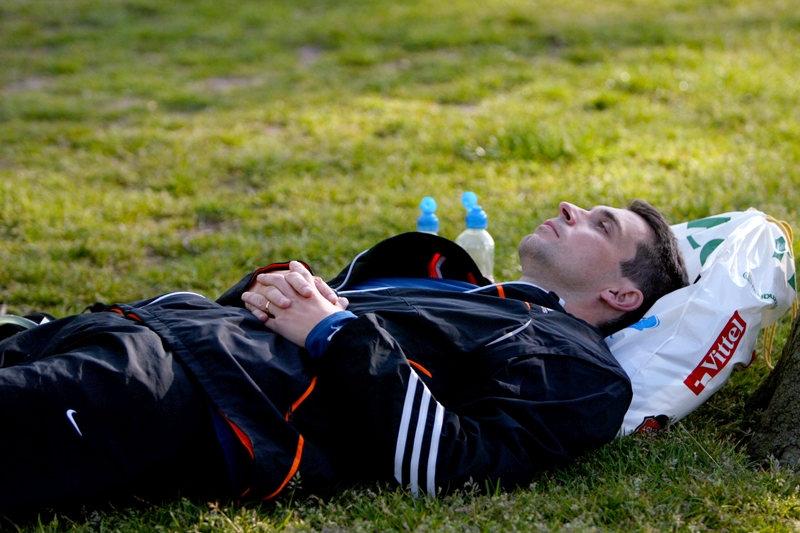
Longer naps help after poor nights. Ninety minutes covers a full sleep cycle. Timing matters. Early afternoon works best for most athletes.
Late naps disrupt night sleep. Balance remains key. Naps supplement strong nighttime rest, not replace it.
Teams schedule nap windows during training camps. Quiet rooms support quality rest. Athletes who nap strategically report improved afternoon output.
Napping forms one tool within broader sleep for athletes strategies. It fills gaps during travel and competition clusters.
How Long and How Late
Nap length shapes effect. Short naps sharpen focus. Full cycle naps restore deeper fatigue. Athletes experiment during low-pressure periods to learn response patterns.
Late evening naps risk delayed bedtime. Keeping naps before mid-afternoon protects night rhythm. Alarm use prevents oversleeping.
Hydration and light exposure after naps help transition back to training mode. Brief movement resets alertness.
Structured nap plans prevent random dozing. That discipline preserves nighttime quality. Sleep remains consolidated rather than fragmented.
Athletes who master timing gain steady energy without harming main sleep blocks.
Technology, Tracking, and Sleep Metrics
Wearable devices track sleep duration and heart rate variability. Data offers trend awareness. It highlights chronic restriction.
Numbers guide behavior. An athlete who sees six-hour averages often adjusts habits. Objective feedback drives change.
Coaches review aggregated sleep data during intense phases. They reduce the load during widespread restrictions. This action protects long-term output.
Sleep metrics require context. One bad night does not define readiness. Patterns across weeks matter more.
Technology supports awareness, yet behavior drives results. Dark rooms and consistent schedules still form the foundation. Data serves the habit, not the reverse.
Conclusion
Sleep stands as one of the most powerful performance tools in sport. It repairs muscle, sharpens reaction time, and stabilizes mood. It lowers injury risk and supports immune strength. Athletes who commit to structured sleep training gain measurable improvements in speed, accuracy, and endurance.
Seven to nine hours form the base for most adults. Teen athletes need more. Consistency across weeks builds real change. Teams that value sleep for athletes protect training gains and reduce lost time.
Performance gains do not always require more drills. Sometimes they require more darkness and discipline at night. Athletes who treat sleep as a pillar of preparation position themselves to win more often and recover faster across long seasons.
FAQs
1. How many hours of sleep do elite athletes need?
Most adult athletes perform best with seven to nine hours per night. Teen athletes often require eight to ten hours. Individual variation exists, yet chronic six-hour patterns link to reduced reaction time and higher injury rates.
2. Can sleep really improve shooting accuracy?
Yes. Controlled studies show better free-throw and serve accuracy after sleep extension. Improved neural processing and steadier hands drive these gains.
3. Is napping helpful for competitive athletes?
Short naps of twenty to thirty minutes restore alertness. Ninety-minute naps cover a full cycle and support deeper recovery. Timing earlier in the day protects nighttime sleep.
4. Does poor sleep increase injury risk?
Athletes sleeping less than eight hours show higher injury rates in several studies. Fatigue alters coordination and slows tissue repair, which raises soft tissue strain risk.
5. What is sleep training for athletes?
Sleep training refers to structured habits that promote consistent, high-quality rest. It includes fixed bedtimes, dark environments, reduced late screen exposure, and strategic naps. These habits support efforts to improve performance sleep across long seasons.