Summary
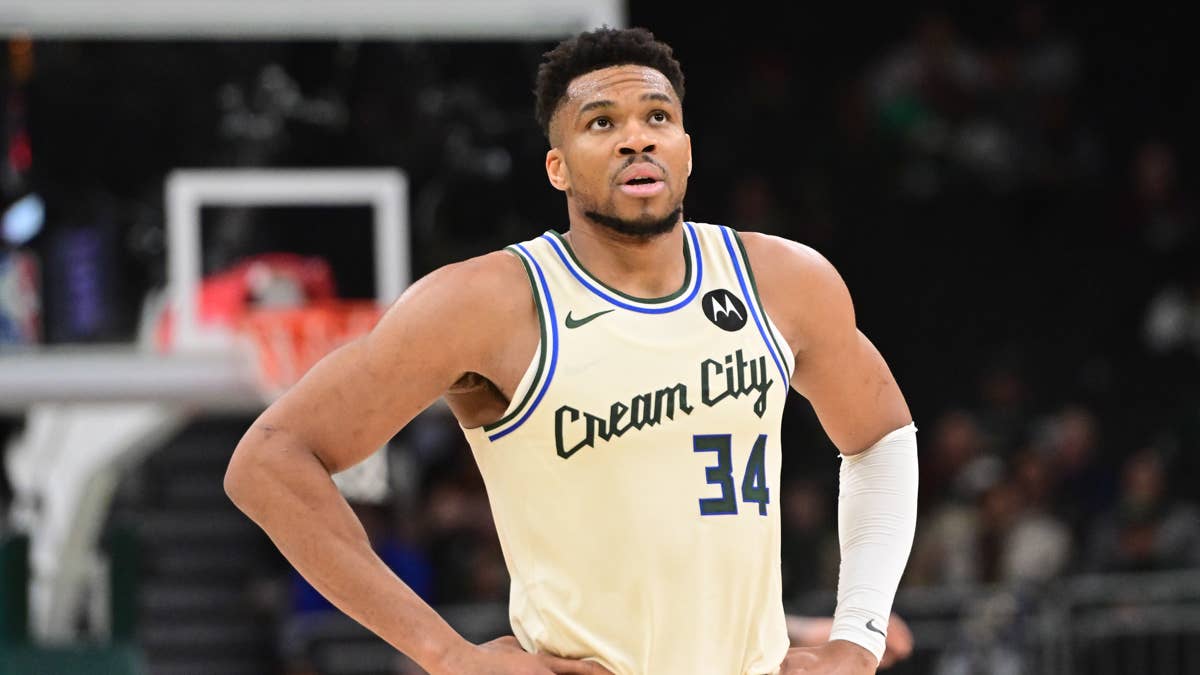
The latest Milwaukee storyline is simple on the surface but significant underneath: Bucks co-owner Jimmy Haslam wants Giannis Antetokounmpo’s future settled before the NBA Draft. That does not automatically mean a move is coming, and it should not be read as a confirmed decision from Giannis. What it does show is how important timing has become for the Bucks. When a franchise player’s future is uncertain, every other offseason choice becomes harder to judge.
This analysis is deliberately cautious. It is based on the available source reporting around Haslam’s comments and avoids claiming private plans, trade demands, injuries, or front-office decisions that are not confirmed. The useful question is not whether one headline proves Giannis will stay or leave. The useful question is why a team would want clarity before the draft, and how that clarity could shape Milwaukee’s roster planning, fan expectations, and wider NBA offseason conversation.
Why the draft deadline matters
The NBA Draft is not just a night for adding young players. It is one of the league’s main decision points. Teams use draft week to evaluate trades, reset cap plans, move picks, and decide whether they are building for the present or planning a longer transition. For a team built around a superstar, that timeline becomes even more important.
If Milwaukee knows Giannis is fully aligned with the next phase, the front office can treat the draft as a chance to support a win-now core. That may mean prioritizing readiness, positional fit, shooting, defense, or trade flexibility. If there is uncertainty, the same pick can carry a different meaning. The Bucks might have to weigh immediate help against longer-term value, and every outside team will read those decisions for clues.
That is why Haslam’s preference for clarity before the draft is understandable. It is not only about one player. It is about avoiding a situation where the Bucks make draft and trade decisions without knowing the direction of the franchise’s most important piece.
What it could mean for Milwaukee’s planning
Milwaukee’s challenge is that a Giannis-centered roster has very specific needs. The team must think about spacing, half-court creation, defensive balance, transition pace, and depth across a long season. Those needs are easier to address when the front office knows the star around whom everything is being built will remain the foundation.
A clear commitment would allow the Bucks to work with urgency. They could look for players who make sense next to Giannis, evaluate trade options through a win-now lens, and communicate a consistent plan to veterans, agents, and fans. That type of alignment matters because roster construction is not only about talent. It is about sequencing decisions in the right order.
Without clarity, every move becomes more complicated. A draft pick might be judged as either a future asset or a player expected to help immediately. A trade rumor might be interpreted as support for Giannis or preparation for something else. Even normal offseason moves can become loaded with meaning when the biggest question is unresolved.
Why fans are watching closely
For Bucks supporters, the Giannis question carries emotional weight. He is not just another high-level player. He is the face of the modern franchise, the player most associated with Milwaukee’s championship-era identity, and the reason many neutral fans pay attention to the team’s direction. Any uncertainty around his future naturally creates anxiety.
That does not mean fans should treat every comment as a final signal. Sports stories often develop in stages, especially during the offseason. A co-owner expressing a desire for clarity is not the same thing as a trade happening, a contract decision being made, or a player communicating a firm position. Still, supporters are right to care about the timing because it affects how they interpret everything that follows.
If the Bucks act aggressively around the draft, fans will ask whether those moves were designed to reassure Giannis and keep the team competitive. If they act conservatively, fans may wonder whether the organization is protecting future flexibility. Either way, the Giannis backdrop will shape the conversation.
The pressure on communication

One of the biggest challenges in situations like this is communication. Teams rarely want to reveal too much about internal planning, but silence can leave space for speculation. The Bucks must balance privacy, leverage, and public confidence. Haslam’s comment matters because it acknowledges the importance of a timeline without necessarily revealing the outcome.
Clear communication does not have to mean dramatic statements. It can mean consistent messaging from ownership, the front office, coaches, and players. It can mean explaining the basketball logic behind draft decisions. It can mean avoiding mixed signals that make routine moves appear chaotic.
For fans, communication also affects trust. When a franchise looks organized, supporters are more likely to give the process time. When messaging feels uncertain, every rumor becomes louder.
How rivals may read the situation
Other NBA teams will also be watching. Any uncertainty around a superstar creates a market reaction. Rival front offices may monitor Milwaukee’s draft approach, trade posture, and public comments for signs of whether the Bucks are reinforcing the roster or preparing for different possibilities.
That does not mean rivals control the situation. Milwaukee’s own decisions and Giannis’ own preferences remain central. But perception can influence the pace of the offseason. Teams may decide whether to hold assets, make calls, or position themselves for opportunities depending on how they read the Bucks’ direction.
This is why the draft timeline is so important. Once picks are made and trades start moving, options change quickly. Clarity before that point helps a team avoid reacting from a weaker position later.
Roster-building questions to watch
The basketball questions are practical. Do the Bucks need more perimeter defense? More shooting? More athletic depth? More secondary creation? The answer to each depends on how the organization views its immediate competitive window.
A Giannis-led team can pressure the rim, bend defensive coverage, and create opportunities for teammates, but the supporting cast must fit. Poor spacing can reduce his impact. Limited defensive mobility can create playoff problems. Lack of reliable depth can make the regular season more demanding than it needs to be.
That is why a seemingly off-court timeline question connects directly to on-court planning. Knowing the direction of the franchise changes how each roster need is prioritized.
The fan expectation problem
Supporters often want certainty faster than teams can provide it. That is understandable, but it can also make the offseason feel more dramatic than it is. A headline about wanting clarity before the draft may simply reflect smart planning. It may also reflect real urgency. The difference matters, and the public may not know the full picture immediately.
The best way for fans to follow this story is to separate confirmed information from interpretation. Confirmed: Haslam wants the situation settled before the draft, according to the source report. Interpretation: what that means for Giannis, Milwaukee’s draft strategy, or trade possibilities. Those interpretations can be useful, but they should remain clearly labeled as analysis.
For broader NBA context, this is similar to other franchise-direction moments where one player’s future changes how every decision is viewed. Our late-season form guide shows how quickly team narratives can shift when results, timing, and pressure combine.
What Milwaukee needs from the next phase
The Bucks need alignment more than noise. If Giannis remains central to the plan, the organization needs to show that it has a credible path to maximize the next window. If there are deeper questions, those need to be addressed before Milwaukee makes decisions that could limit its flexibility.
That is the core of the Haslam comment. It frames the draft as a deadline for direction. The deadline may not produce a public resolution, but it does highlight the importance of internal certainty. Teams can survive difficult decisions. What they cannot afford is drifting into major offseason moves without a clear sense of the plan.
Milwaukee’s next steps will be judged through that lens. Fans will study the draft. Analysts will study the roster moves. Other teams will study the signals. The Bucks, meanwhile, must make sure their actions match the future they believe they are building.
Why this story has league-wide interest
Giannis is one of the NBA’s defining players, so any uncertainty around his future naturally reaches beyond Milwaukee. Star-player timelines influence trade markets, draft-night strategy, and media attention across the league. Even if nothing changes immediately, the possibility of change is enough to shape the conversation.
That is why this story belongs in a broader sports strategy discussion. It is not only a Bucks story or a Giannis story. It is a case study in how timing, leverage, roster construction, and fan confidence intersect. In that sense, it connects with wider questions about how teams manage pressure and public narratives, the same type of dynamics we track in our tactical trends to watch and rising stars analysis coverage.
Bottom line
Haslam wanting Giannis Antetokounmpo’s future settled before the NBA Draft is not a final answer, but it is an important signal about timing. The Bucks need clarity because the draft affects roster planning, trade flexibility, and the public story around the team’s direction. Fans need patience because not every step of that process will be visible.
The next phase will be about alignment. If Milwaukee can match its roster decisions to a clear Giannis-centered plan, the offseason becomes easier to understand. If uncertainty remains, every draft pick and trade conversation will carry extra weight. That is why this storyline matters now: before the draft arrives, the Bucks need to know what future they are actually building toward.
Sources